


Tech-driven businesses face a complex challenge: their events must deliver measurable ROI while managing multi-channel logistics, compliance requirements, and ever-evolving attendee expectations. SaaS companies launching new products, digital marketing agencies hosting client summits, and e-commerce brands orchestrating user conferences all share the same struggle. Their in-house teams often lack the bandwidth or specialized expertise to keep pace with rapidly advancing event technology and sophisticated audience demands.
The solution lies in hiring virtual event planner professionals who bring instant access to cutting-edge tools, streamlined processes, and industry-specific expertise. These specialists transform complex event logistics into seamless experiences that drive business outcomes and competitive advantage.
Why Tech Industries Need Specialized Event Planning Expertise
Tech-driven companies operate in a fast-paced environment where events serve multiple strategic purposes: product launches, user education, lead generation, and brand positioning. Unlike traditional corporate gatherings, these events require sophisticated technical integration, data-driven personalization, and measurable business outcomes.
Marketing agencies managing client events need to demonstrate clear ROI through detailed analytics and engagement metrics. E-commerce businesses hosting virtual product launches must integrate seamlessly with their existing tech stack while managing global audiences across multiple time zones. Professional service firms in the financial or creative sectors require compliance-ready events that meet strict data privacy regulations.
In-house teams, despite their dedication, often find themselves overwhelmed by the technical complexity and time investment required for high-impact events. They struggle with vendor negotiations, technology integration, and the detailed coordination needed for flawless execution.
How Virtual Event Planners Deliver Advanced Technology Integration
When you hire a virtual event planner, you gain immediate access to AI-powered tools, automation systems, and the latest event technology. These professionals work exclusively with event tech platforms, making them proficient in AR/VR integration, smart venue sourcing, and hybrid engagement solutions that many in-house teams have never encountered.
Virtual event planners leverage AI for attendee matching, automated agenda creation, and real-time personalization. They use advanced sourcing tools that can reduce RFP cycles by 50% while achieving cost savings of $15,000 to $50,000 per event. Their expertise with projection mapping, interactive screens, and LED infrastructure transforms basic presentations into immersive experiences that capture attention and drive engagement.
For tech companies requiring seamless technology integration, virtual planners coordinate with existing systems like Salesforce, ensuring event data flows directly into business intelligence dashboards. This integration provides the measurable outcomes that leadership demands while eliminating the manual work that typically burdens internal teams.
Streamlining Complex Logistics and Vendor Management
Virtual event planners excel at managing the intricate logistics that make or break high-stakes events. They handle vendor negotiations, coordinate multi-location setups, and manage attendee communications across multiple channels. Their experience with SMS, RCS, and in-app notifications significantly reduces no-show rates while accelerating post-event follow-up actions.
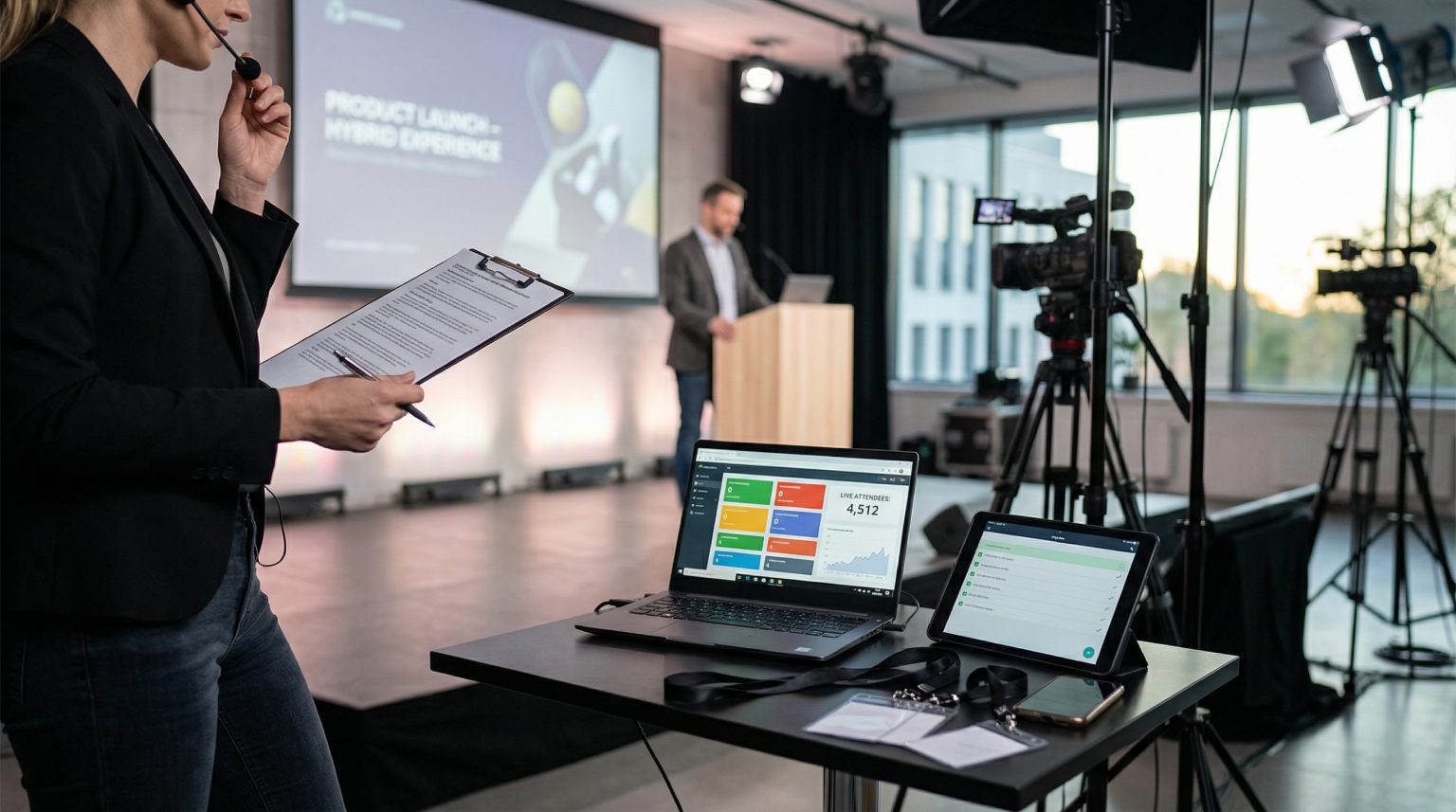
These specialists understand the nuances of hybrid events, ensuring virtual and in-person participants receive equally engaging experiences. They coordinate technical requirements, manage streaming quality, and facilitate networking opportunities that unite distributed audiences. Research shows that well-executed hybrid events can attract budgets that are 23% larger the following year, making this expertise particularly valuable for growing companies.
The detailed coordination required for product launches, user conferences, and industry summits becomes manageable when handled by dedicated professionals. Virtual event planners maintain vendor relationships, negotiate contracts, and ensure every technical element functions flawlessly during critical moments.
Personalization at Scale Through Data-Driven Strategies
Modern attendees expect personalized experiences, and virtual event planners deliver this through sophisticated data analysis and AI-driven recommendations. They collect and analyze attendee behavior, preferences, and engagement patterns to create tailored content, networking opportunities, and follow-up sequences.
Recent research indicates that personalized events boost attendee satisfaction by up to 40%, directly impacting repeat attendance and customer lifetime value. Virtual planners implement these personalization strategies at scale, using first-party data collection methods that comply with privacy regulations while providing valuable business insights.
For e-commerce businesses, this means events that segment attendees based on purchase history and engagement levels. For marketing agencies, it translates to client events with customized content tracks and targeted networking sessions. Professional service firms benefit from compliance-ready personalization that meets industry-specific data handling requirements.
Ensuring Compliance and Data Privacy Standards
Tech-driven industries face stringent compliance requirements, particularly in regulated sectors like healthcare, finance, and professional services. Virtual event planners specialize in secure payment processing, accessibility standards, and consent-driven data collection practices that protect both businesses and attendees.
These professionals understand GDPR, CCPA, FERPA, and HIPAA requirements, implementing compliant registration processes and data handling procedures. They ensure events meet accessibility standards through closed captioning, translation services, and neurodivergent-friendly environments. This compliance expertise is particularly valuable for professional service firms and healthcare organizations where regulatory adherence is non-negotiable.
Payment compliance with new PCI DSS mandates is seamlessly integrated into registration and ticketing processes. Virtual planners implement secure systems that protect financial data while providing smooth user experiences that encourage registration and participation.
Sustainability and Global Accessibility
Virtual event planners use digital tools to create sustainable, inclusive events that appeal to diverse, global audiences. They implement paperless processes, energy-efficient technologies, and waste reduction strategies that can save $2,000 to $5,000 per event while meeting modern sustainability expectations.
Their expertise with digital platforms enables truly global participation, breaking down geographical barriers that limit traditional events. Time zone optimization, multi-language support, and cultural sensitivity ensure maximum participation and engagement across international markets.
For companies building global brands or serving diverse markets, this accessibility expertise directly impacts reach and revenue potential. Virtual planners coordinate across multiple regions, manage cultural considerations, and ensure inclusive experiences that resonate with varied audiences.
What to Look for When Hiring Virtual Event Planner Professionals
Successful virtual event planner selection requires evaluating specific competencies that align with your industry needs:
- AI and automation proficiency: Experience with modern event tech platforms, AI-driven personalization tools, and automated workflow systems
- Compliance knowledge: Understanding of industry-specific regulations, data privacy requirements, and accessibility standards
- Hybrid and immersive technology experience: Proven ability to coordinate AR/VR elements, manage hybrid audiences, and integrate advanced presentation technologies
- Established vendor networks: Relationships with venues, technology providers, and service vendors that ensure competitive pricing and reliable execution
- Data analytics capabilities: Skills in collecting, analyzing, and reporting event metrics that demonstrate business impact and ROI
Comparing In-House vs Virtual Event Planning Solutions
| Factor | In-House Event Coordinator | Virtual Event Planner |
|---|---|---|
| Setup Cost | $60,000+ annually plus benefits | Project-based or retainer pricing |
| Speed to Launch | 2-3 months hiring and training | Immediate availability |
| Technology Expertise | Limited to current knowledge | Continuous platform training |
| Scalability | Fixed capacity constraints | Flexible resource allocation |
| Compliance Knowledge | Requires ongoing education | Industry-specific expertise |
| Vendor Relationships | Must develop from scratch | Established professional networks |
Common Questions About Virtual Event Planning Services
What does it cost to hire a virtual event planner?
Virtual event planning costs vary based on event complexity and scope. Most professionals offer project-based pricing that includes planning, coordination, and execution phases. This typically costs less than maintaining full-time staff while providing access to specialized expertise and established vendor relationships.
How quickly can a virtual event planner start working on my project?
Experienced virtual event planners can begin immediately, often starting with discovery calls within 24-48 hours. Their established processes and vendor networks enable faster project initiation compared to hiring and training in-house staff.
How do virtual planners handle security and confidentiality?
Professional virtual event planners implement strict security protocols, including secure communication channels, data encryption, and confidentiality agreements. They understand industry-specific compliance requirements and maintain professional standards that protect client information.
Can virtual event planners integrate with our existing team?
Yes, virtual event planners work collaboratively with internal teams, providing specialized expertise while respecting existing workflows and company culture. They adapt to your communication preferences and reporting requirements.
Maximizing ROI Through Strategic Event Planning
The decision to hire virtual event planner professionals represents a strategic investment in business growth and operational efficiency. These specialists deliver measurable outcomes through advanced technology integration, streamlined logistics, and data-driven optimization strategies.
Tech-driven companies that partner with virtual event planners report significant improvements in event ROI, attendee satisfaction, and operational efficiency. They gain access to cutting-edge tools and expertise without the overhead costs and time investment required for in-house development.
For businesses serious about leveraging events as growth drivers, virtual event planning provides the competitive advantage necessary to succeed in today’s sophisticated marketplace. The combination of specialized expertise, advanced technology, and flexible engagement models makes this approach particularly valuable for companies prioritizing scalable, measurable results.
Ready to transform your event strategy with expert virtual support? Discover how Doneverse connects you with pre-trained virtual marketing assistants who specialize in event planning, digital marketing, and business growth. Our dedicated Doers become exclusively focused on your success, providing the expertise and consistency needed for exceptional event outcomes.